Session 0 checklist: How to build a DnD group that lasts

Published March 30, 2026 by Groupfinder Team

Overview

What is a “session zero” (and why should you have one)

You have decided to start playing D&D https://groupfinder.eu/library/how-to-start-playing-dnd-a-beginners-guide-to-your-first-adventure, keep in mind that Dungeons & Dragons is a social game. Sure, we have dice, miniatures, maps, terrain, rules and books. But they are all connected by social interactions and connections. And managing those social situations before they become problematic will save you a lot of headache. After all, you are looking to find a dungeons and dragons group https://groupfinder.eu/list not be defeated by the recruitment process. A session zero (named so, because the first session will most likely be the one where you all sit down and finally get the game going) is a validation checkpoint. A change for all the players to discuss what they expect from the game and the group. Voicing any concerns or topics that should be addressed beforehand, not when they have already become issues. During the session zero, players (including the DM, they are a player as well) will be given a general pitch of the game, the theme, the style and the direction the DM is expecting you to go. This most likely will not be a two-hour lore-dump session, where you make notes and try to remember all the important bits. It should resemble an elevator pitch. Short, straight to the point, without too much flavouring and getting bogged down in details. This is a chance for the players to understand and align their expectations regarding the game. Going into the first session with Boblin the Goblin, aiming to be the funniest character known to man and then realizing that the DM has prepared a serious, down to earth, adventure focusing on social intrigue and moral choices… Well Boblin might’ve not been the best character for that.
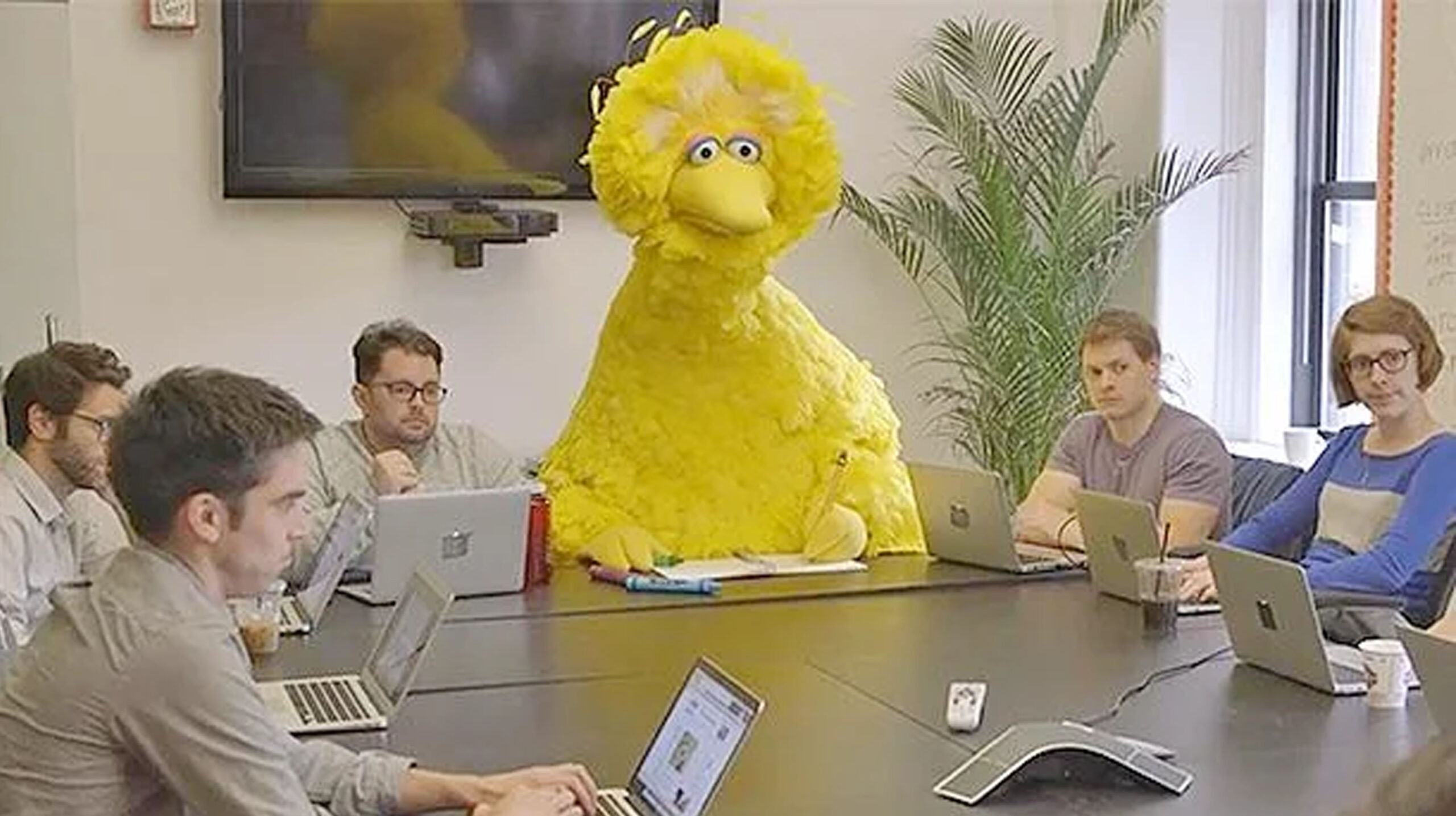
Read the room. Create a character that fits the atmosphere of the game.
And if you were hoping for constant laughs, you will find that the game and your expectations were severely mis-aligned. Session zero will try to manage expectations and set themes.

Aligning players, aligning characters

Understanding the world, the themes and topics is useful for the players to understand whether the game they are about to commit to is really for them. Whether it will be something they will look forward to prior to every session, or will it eventually become something that “you are not feeling”. Perhaps the tone can be adjusted - from gothic horror with no room for laughs to something that is still eerie, but the players can find humor in appropriate places. This is the time to discuss these questions. The time to adjust the game is now, as it will be rather difficult to do a complete shift when you are ten sessions deep. This is also the point where players can discuss their characters. Whether they have anything complete prepared by then or just a fragment of a concept. Your characters shall be adventuring together - try and figure out how that plays into the world you were presented with. Can you find some common background pieces with another player to somehow connect your characters? Or perhaps come up with a reasonable theme that would bring all your characters together. If your plan was to play an edgy loner, who doesn’t like people and works alone. Discuss this with others, as this might become an issue later, when the other characters can’t figure out a way to establish any reasonable connection with your edgelord. Be flexible, adjust concepts, ideas, goals and character details.

A social contract

Nobody likes contracts. Unless you are a warlock, then you live for contracts. But a social contract is more for managing expectations. How often will you play? Figure out whether your group can agree on a fixed schedule that everyone can book in advance. Every second Thursday evening? Booked now. Ofcourse this is subject to change as life happens.   Is it a 100% attendance game? If someone can’t attend, will the session be cancelled or will they be somehow “dragged along” without any narrative focus on them for the session. Is there a narrative way to exclude characters from certain moments, if the player is unable to participate? Agreeing on these will help you avoid situations, where some players might feel left out and might decide to start ghosting the sessions, until they are eventually removed from the roster.
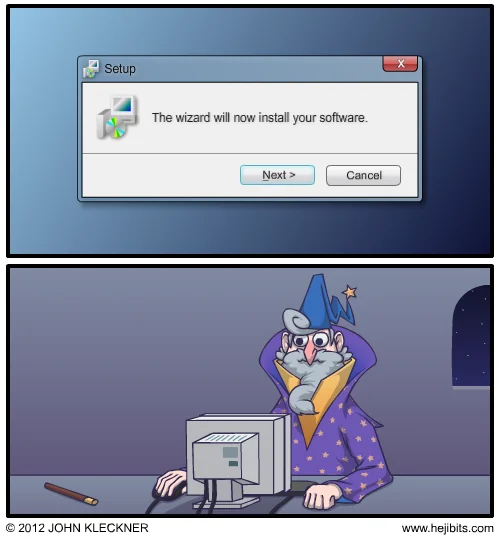
If you have trouble setting some systems up, ask others to help you
What systems and platforms will you be using if this is an online game? What video or voice platform will you be using, is everyone okay with the choice or does someone need help setting something up? Whether combat happens on a VTT or some other platform, can everyone manage that? Check in with others and figure out that the technical aspects won’t become too much of a burden to manage. Boundaries. A vital part of session zero. Even if you think these are not necessary - It is still strongly recommended. Using various safety tools https://groupfinder.eu/library/safety-tools-101-why-safe-players-are-brave-players can make sure that various themes or topics that the game might tackle are accepted by everyone. Especially if you haven’t played with all of the members of the group before. You can find various different tools to help set the right boundaries and make sure everyone feels comfortable with the game. Take a look at “Lines and Veils https://www.dicebreaker.com/categories/roleplaying-game/opinion/lines-and-veils-rpg-safety-tools”, “X-Card https://geekdad.com/2016/10/dd-for-young-dms-x-card/” or “Monte Cook Games RPG Consent Checklist https://www.montecookgames.com/store/product/consent-in-gaming/”.

Vibes. How are the vibes

Keep track of the vibes during session zero. Do you notice anything that might be considered a “red flag”? Is the humor off, does everyone feel like they get enough respect and attention from the others? All of these are important to keep in mind. While some things can be discussed and corrected, if needed. People are different and while they might be great people to be friends with, it doesn’t mean that they would be great people to play D&D with. If there are issues that you feel should be discussed, turn towards your DM and talk things out. Perhaps you were not the only one who noticed it. Or maybe it was a case of miscommunication. Clearing the air before the game actually begins is important. Otherwise the problems will start festering and your enjoyment of the game will decrease over time. “No D&D is better than bad D&D?” - No. Not at all. With Groupfinder you can find a dnd group https://groupfinder.eu/list that fits your preferences. Maybe it will take a few tries and session zeroes, but once you find your group, you will know these are your people. And you will enjoy the games a lot more.

Why bother with all of this?

It might feel like all of this is too much trouble just to get the game going. But statistics have shown, that groups who go through a "session zero" before their actual game are  significantly less likely to ghost or fall apart after a few sessions. Spending a few hours talking about expectations might save you hours of frustration later on.

Other entries

Blades in the Dark (2017)
Tabletop Roleplaying Games

Blades in the Dark (2017)

TTRPG
English
Heist
Blades in the Dark is a heist-themed tabletop roleplaying game system about a crew of daring misfits  on the streets of an industrial fantasy city. Published by Evil Hat Productions in 2017 and designed by John Harper, it introduced the highly influential Forged in the Dark rules engine. BitD revolutionized the heist genre in tabletop gaming by pushing players straight into the act, eliminating the "planning phase". The system it loosely evolved from is Apocalypse World Description In Blades in the Dark, players are part of a criminal organization in Doskvol, a grim Victorian era city. The city is protected by a wall of lightning, to keep any threat on the outside. Players create their characters as either smugglers, thieves, assassins or cultists and explore the criminal underworld, perform dangerous heists, manage gang warfare and grow their criminal organization. The game focuses heavily on narrative momentum and failing forward. Characters are competent but flawed, constantly accumulating stress, trauma, and heat from the law as their gang rises to power. System Overview & Key Features Action Roll (d6 Dice Pool) The core mechanic uses a pool of six-sided dice(d6) based on a character's action rating. The highest die result will determine the outcome of the action. 6 is considered a full success, 4-5 is a partial success with a consequence, and 1-3 is a failure. Rolling multiple full successes is considered a critical success. Position and Effect Before every roll, the Game Master explicitly states the character's Position (Controlled, Risky, or Desperate) and Effect (Limited, Standard, or Great). This transparently communicates the exact stakes and potential fallout of the action before the dice hit the table. Stress and Resistance Characters have a Stress track. Players can spend Stress to give themselves for extra dice when rolling. They can also use it to assist an ally, or fuel their special abilities. Players can also spend Stress when facing any situation or consequence the GM throws at them, this makes the characters very skilled, but forces them to consider when to spend it. The Flashback Mechanic Instead of spending hours planning a heist, the crew simply chooses a target, picks a detail, and jumps right into the action. Later, they can use Stress, to envoke a flashback moment, where they explain how they had already planned for such a situation, or had "solved" it beforehand. Progress Clocks The game uses circular progress tracks called Clocks to visually represent approaching danger or the progress of a complex task. A clock might represent the alert level of the city watch, the structural integrity of a safe vault, or the patience of a rival gang leader. The Crew as a Character The criminal organization the players run has its own character sheet. The organization gains experience, levels up, claims territory, and unlocks special abilities, ensuring that the gang's rise to power is just as mechanically significant as the characters' Additional links evilhat.com - Official Evil Hat Productions website bladesinthedark.com - Official System Reference Document and rules database

Read more

Pathbuilder 2e
Tools & Platforms

Pathbuilder 2e

English
Character sheets
Pathfinder 2E
Pathbuilder 2e is the premier digital character builder and sheet for Pathfinder Second Edition. Created by David Wilson (Redrazors), it is celebrated for its speed, near-perfect rules accuracy, and its comprehensive support for the game’s vast library of content. In a significant move for 2025 and 2026, the app finally expanded beyond Android and Web to include a native iOS and iPadOS release, making it accessible across the entire mobile ecosystem. Description Pathbuilder 2e is the "gold standard" for Pathfinder players who want to navigate the system's deep customization without choice paralysis. It tracks every feat, spell, and proficiency bonus from level 1 to 20, ensuring that characters remain rules-legal at every step. While it lacks the high-budget "Nexus" features of competitors like Demiplane, its utility is unmatched; it allows for rapid "theory-crafting" of builds and exports directly to PDF or Foundry VTT. It is widely considered a mandatory tool for anyone playing PF2e regularly. System Overview & Key Features Comprehensive Rules Integration The app is updated with incredible speed, usually incorporating new Paizo releases—like the 2025/2026 Remastered books and playtests—within days of their launch. It includes every ancestry, class, and archetype available in the game, automatically filtering options based on what your character qualifies for. Level-Up Planning One of its most loved features is the ability to plan a character's entire progression ahead of time. You can select your feats for level 15 while your character is still level 1, creating a "roadmap" that makes leveling up during a session as simple as tapping a single button. Cloud Saving and Syncing For users who unlock the full version, Pathbuilder offers cloud storage via Google Drive. This allows you to start a build on your desktop browser during your lunch break and pull it up on your phone or tablet at the gaming table later that evening. Variant Rule Support The paid version unlocks support for popular optional rulesets, such as Free Archetype, Ancestry Paragon, and Gradual Ability Boosts. These toggles allow groups to use the most common community-standard house rules with zero manual math. Pet and Companion Management Managing familiars, animal companions, and eidolons is a core part of Pathfinder. Pathbuilder provides dedicated tabs for these entities (in the paid version), tracking their specific stats, barding, and special abilities alongside the main hero. VTT and PDF Export The app features a robust export system. You can generate a clean, official-looking PDF character sheet or use "JSON" exports to import your character directly into Foundry VTT or Roll20 using community-made modules, saving hours of data entry. Additional links pathbuilder2e.com - Official Web Application Android App iOS/iPadOS App

Read more

Mutants and Masterminds 3rd Edition (2010)
Tabletop Roleplaying Games

Mutants and Masterminds 3rd Edition (2010)

English
Complex
Green Ronin Publishing
Mutants & Masterminds is a superhero role-playing game written by Steve Kenson and published by Green Ronin Publishing. The current 3rd Edition, which also serves as the engine for the DC Adventures game, was released in 2010. It is highly flexible, point buy system that allows players to build any superpower they can come up with, from classic caped crusaders and vigilantes to cosmic entities and mystical sorcerers. The system it directly evolved from is d20 System (2000) Description Mutants & Masterminds' game mechanics use a highly modified version of the d20 System. All characters in this game, from heroes and villains to the average person on the street, are defined by eight abilities, basic traits each character has to a greater or lesser extent. Abilities tell you how strong, smart, and aware a character is, among other things. The abilities are: Strength, Stamina, Agility, Dexterity, Fighting, Intellect, Awareness, and Presence System Overview & Key Features The Single d20 Engine The system is a true d20 engine. The twenty-sided die will be the only one you will need for the rest of the game. Every roll happens with the d20 as the baseline and then various bonuses and modifiers are added or subtracted. Point Buy Character Creation There are no random rolls for character creation. Players are given a budget of Power Points based on the campaign's Power Level. Every ability, from super strength to immortality, has a specific cost per rank, enabling high amounts of character customization and forging your unique superhero (or -villain). Effects Based Power Design Instead of a list of hundreds of pre defined spells or powers, the game uses Effects. If you want a fire blast, a freezing ray, or a telekinetic shove, you simply buy the "Damage" effect and apply descriptors like "Fire" or "Cold". This allows for endless creativity in how powers are themed. The Toughness Save vs Hit Points The game completely eliminates Hit Points. When a character is hit, they must make a Toughness resistance check. Failing the check results in cumulative penalties. A minor failure causes a "Bruise" penalty to future saves, while a massive failure can result in being dazed, staggered, or instantly knocked unconscious. Power Level Caps To keep the game balanced, the Game Master sets a Power Level (PL) for the campaign. This acts as a ceiling that limits the maximum total of a character's attack bonus, damage, defenses, and skills. This prevents one player from being mathematically untouchable while others struggle to contribute. Victory Points and Heroics Players can earn Victory Points (formerly Hero Points) for roleplaying their character's complications, such as a secret identity or a specific weakness like kryptonite. These points can be spent to reroll dice, recover from injuries, or use "Power Extractions" to perform stunts they haven't officially bought yet. Additional links greenronin.com - Official Green Ronin Publishing website d20herosrd.com - Official Mutants and Masterminds System Reference Document

Read more

Looking for a group?

Find a tabletop group to join or players to invite.
Groupfinder is a free looking-for-group/players platform. By players, for players.